As a Seventh-day Adventist educator, I embrace what I believe is a biblically-based philosophy of education, striving to teach in a way that seeks to restore the image of God in my students and prepares them for a life of service both now and in eternity. When developing my framework as an educator, I have been inspired by the writings on education in the Bible and the Spirit of Prophecy. Ellen White wrote that true education “is the harmonious development of the physical, the mental, and the spiritual powers. It prepares the student for the joy of service in this world and for the higher joy of wider service in the world to come” (Education, p. 13). I believe that education goes beyond academic success; it nurtures the whole person—spiritually, mentally, and physically—equipping students with the knowledge, skills, and character they need to fulfill God’s purpose for their lives.
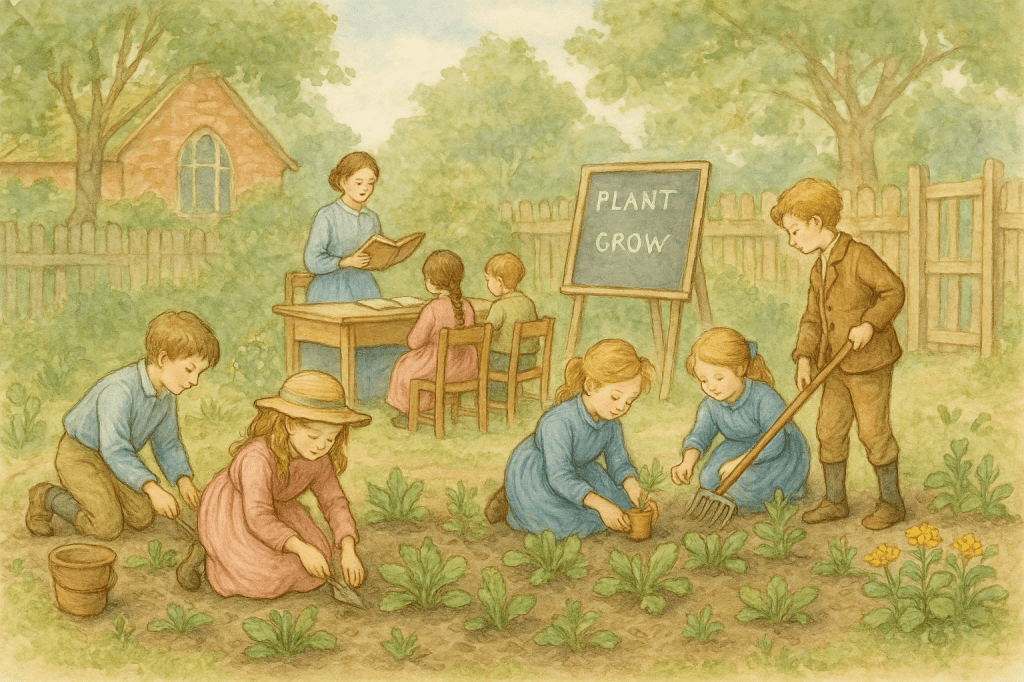
At the heart of Christian education is a personal relationship with God. “The fear of the Lord is the beginning of wisdom” (Proverbs 9:10), and I am convinced that all true knowledge must be rooted in Him. My goal is to guide students in developing a deep love for the Lord and a commitment to sharing the gospel. The Bible should be the foundation of everything taught, and I believe that incorporating nature is a powerful way to reveal His character. Ellen White states, “Next to the Bible, nature is to be our great lesson book” (Testimonies for the Church, vol. 6, p. 185), and I seek to incorporate outdoor education and hands-on learning experiences to make spiritual truths both practical and personal.
Beyond teaching biblical knowledge, I want my students to recognize their eternal value in Christ and understand that their education is part of a higher calling. As Jesus trained His disciples not only in doctrine but in service, I strive to equip my students with both the faith and the practical skills needed to be active workers for Him. True education is discipleship, and I view my role as both an academic instructor and a spiritual mentor, modeling the love and character of Christ.
Critical thinking is an essential part of a Christ-centered education. My desire is for students to be more than passive learners—to develop the ability to reason, analyze, and evaluate information rather than simply accept what they are told. Ellen White warns against being “mere reflectors of other men’s thought” (True Education, p.6) and instead encourages students to develop their own convictions and understanding. To foster this, I aim to incorporate inquiry-based learning, real-world problem solving, and student-led discussions which I believe will give students opportunities to think deeply and apply their knowledge.
I believe in setting high but achievable expectations for my students, supporting them as they develop perseverance and a growth mindset. Learning is a lifelong process, and I wish for my students to understand that intelligence and ability are not fixed but can grow with effort and dedication. I also value a balanced instructional approach that blends teacher-led guidance with student-centered learning. While direct instruction has its place in building foundational knowledge, I also value collaborative projects, experiential learning, and opportunities for students to take ownership of their education. My goal is not to simply impart knowledge but to teach students how to learn, preparing them to be independent, self-motivated learners who continue to seek truth beyond the classroom.
True education includes caring for the body as well as the mind and soul. God calls us to be faithful stewards of our health, and I believe in teaching students the importance of healthy living through principles such as NEWSTART (Nutrition, Exercise, Water, Sunlight, Temperance, Air, Rest, and Trust in God). Physical activity, outdoor learning, and hands-on experiences are vital parts of the learning process, helping students develop discipline, teamwork, and an appreciation for God’s creation.
As a teacher, I also recognize my role in modeling healthy habits and self-discipline. Education is more than acquiring knowledge; it is about preparing students to lead productive, service-filled lives. Practical life skills, incorporated with academic knowledge, should be part of every student’s education, giving them the tools to care for themselves and serve others effectively.
A successful classroom is one where students feel safe, valued, and inspired to grow. I believe that classroom management is not just about maintaining order, but about building meaningful relationships with students based on mutual respect. Ellen White emphasizes the importance of modeling the character of Christ, and I strive to reflect His patience, kindness, and fairness in my interactions with students. By demonstrating the love and respect we receive from our Heavenly Father, I hope to create a learning environment where students feel encouraged to do their best and develop their own Christlike character.
Teaching is a high calling—one that cannot be fulfilled without divine guidance. “In the highest sense, the work of education and the work of redemption are one” (Education, p. 30). I recognize that my success as an educator depends on my own connection with Christ, and I pray daily for the wisdom and strength to fulfill this sacred responsibility.
In summary, my mission is to nurture my students spiritually, mentally, and physically, thus equipping them for a life of service here on earth and in the world to come. By providing a Bible-based education that is engaging, practical, and Christ-centered, I hope to inspire my students to love learning, love the Lord, and use their knowledge and talents to make a difference for His kingdom.
 katherinemackintosh.com